Why Is My Toilet Running or Leaking?
A toilet that will not stop running, keeps refilling or leaves water on the floor can be frustrating and difficult to ignore. You are not alone, as these are among the most common toilet problems we see. Here is how to identify the likely cause, what you can safely check and when to call a plumber.
What Causes a Toilet to Run or Leak?
A running or leaking toilet usually comes down to a fault inside the cistern, a worn seal or a leaking connection. We commonly find one of the following causes:
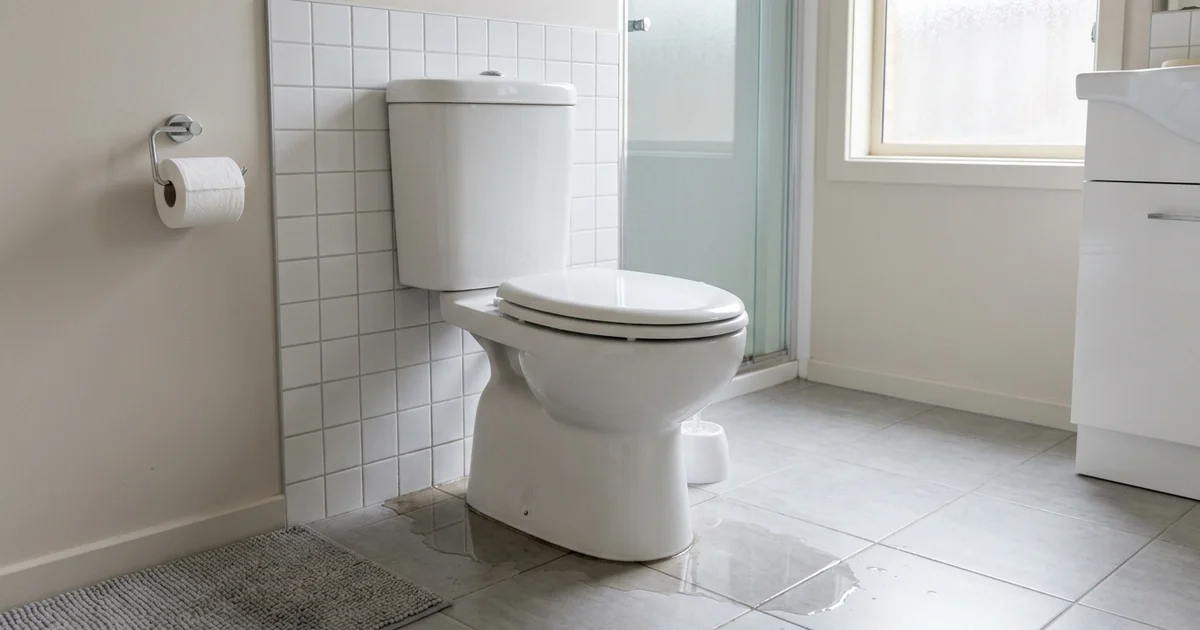
Water around the toilet base may come from a cistern fixing, inlet pipe, isolation valve, pan connector or seal between the cistern and pan. A leak that appears only after flushing often points to the flush pipe or pan connection. If water reaches the flat below, the leak may be concealed beneath flooring or around the soil pipe.
Even a quiet trickle wastes water and can increase your bill, so it is worth investigating rather than leaving it.
A faulty fill valve
The fill valve controls the water entering the cistern. If it sticks or fails to close properly, the cistern keeps filling and excess water runs into the bowl through the internal overflow. You may hear constant hissing or see a steady trickle in the pan.
A worn flush valve seal
The seal at the bottom of the flush valve stops cistern water escaping into the bowl. Limescale, dirt or normal wear can prevent it from sealing. The cistern level then drops slowly, causing the fill valve to switch back on. This often explains phantom flushing or a toilet that refills by itself at night.
An incorrectly set or damaged float
The float tells the fill valve when to stop. If it catches against the cistern, sits too high or has become damaged, the valve may continue letting water in. The water then escapes through the overflow.
A sticking button, handle or flush mechanism
A stuck flush button or handle can hold the flush valve slightly open. The toilet may continue running immediately after flushing, even though the cistern mechanism looks normal from the outside.
Leaking seals, pipes or connectors
Water around the toilet base may come from a cistern fixing, inlet pipe, isolation valve, pan connector or seal between the cistern and pan. A leak that appears only after flushing often points to the flush pipe or pan connection. If water reaches the flat below, the leak may be concealed beneath flooring or around the soil pipe. Even a quiet trickle wastes water and can increase your bill, so it is worth investigating rather than leaving it.
How Can You Identify the Cause?
The sound, location and timing of the water often tell us where to start.
A cold cistern can collect condensation in a warm bathroom. Condensation usually forms as fine droplets across a wider surface. A plumbing leak tends to start from one joint or fixing and follows a defined path.
If water disappears beneath the flooring or reaches the room below, stop using the toilet and arrange an inspection.
Look inside the cistern
Carefully remove the cistern lid, taking extra care if the flush button connects to the lid. If water flows continuously into the overflow, the fill valve or float likely needs attention. If the water level looks normal but water still trickles into the bowl, we would suspect the flush valve seal.
Check whether the toilet refills by itself
Wait until the cistern has finished filling, then listen. If the valve starts again without anyone flushing, water is probably escaping slowly into the bowl. You can dry the back of the bowl and watch for a fresh trickle. A little food colouring in the cistern can also reveal a leaking flush valve if the colour enters the bowl without flushing.
Check where external water appears
Dry the floor, cistern, supply pipe and toilet base. Flush once and watch each connection carefully. Water from the inlet side may appear even when the toilet has not been used. Water that appears only during or after a flush more often comes from a flush pipe, pan connector or cistern seal.
Rule out condensation
A cold cistern can collect condensation in a warm bathroom. Condensation usually forms as fine droplets across a wider surface. A plumbing leak tends to start from one joint or fixing and follows a defined path. If water disappears beneath the flooring or reaches the room below, stop using the toilet and arrange an inspection.
What Can You Check Yourself?
Remove anything that may obstruct the flush button or handle, then check that it returns freely after flushing. Inside the cistern, make sure the float moves without catching against the side. If accessible, gently lift the float. If the incoming water stops, the fill valve or its adjustment is likely responsible.
You can also check for visible dirt or limescale around the flush valve seal. Follow the toilet manufacturer's instructions before dismantling any part. Do not overtighten plastic fittings, as they can crack.
For a quick temporary stop, turn the toilet's isolation valve clockwise using gentle pressure. This prevents the cistern refilling, but it does not repair the fault. Do not force a seized valve. If you cannot isolate the toilet safely, use the property's main stopcock where practical.
Call a plumber if the toilet continues running after basic checks, the isolation valve leaks or you cannot identify the source. Professional help is also sensible when water collects around the base, appears behind a concealed cistern, damages flooring or reaches the property below.
A plumber can test the fill valve, flush valve, seals and connections, then replace the faulty component rather than changing parts unnecessarily. Stop using the toilet if flushing makes an external leak worse.
Safe checks you can make
Remove anything that may obstruct the flush button or handle, then check that it returns freely after flushing. Inside the cistern, make sure the float moves without catching against the side. If accessible, gently lift the float. If the incoming water stops, the fill valve or its adjustment is likely responsible. You can also check for visible dirt or limescale around the flush valve seal. Follow the toilet manufacturer's instructions before dismantling any part. Do not overtighten plastic fittings, as they can crack. For a quick temporary stop, turn the toilet's isolation valve clockwise using gentle pressure. This prevents the cistern refilling, but it does not repair the fault. Do not force a seized valve. If you cannot isolate the toilet safely, use the property's main stopcock where practical.
When to call a plumber
Call a plumber if the toilet continues running after basic checks, the isolation valve leaks or you cannot identify the source. Professional help is also sensible when water collects around the base, appears behind a concealed cistern, damages flooring or reaches the property below. A plumber can test the fill valve, flush valve, seals and connections, then replace the faulty component rather than changing parts unnecessarily. Stop using the toilet if flushing makes an external leak worse.
How Haggart Can Help
Haggart can trace and repair running toilets, leaking cisterns, faulty valves and leaks around the pan or pipework. We inspect the whole flushing system, identify the actual source and explain the repair before carrying out the work. A running toilet wastes water continuously and can raise a metered water bill, so a prompt repair pays off.
Depending on the fault, we may adjust or replace the fill valve, float, flush valve, seals, inlet connection or pan connector. We can also investigate concealed water that has appeared through a ceiling or in the flat below. If it is flooding the property, our emergency plumbers can make it safe first, and a worn suite is often replaced as part of a bathroom installation.