Common Plumbing Problems and How to Fix Them
If you have found a leak, lost water pressure or heard an unfamiliar noise from the pipes, you are not alone. Most homes develop plumbing problems from time to time. This guide explains the likely causes, the checks you can safely make and when you should call a plumber.
What Causes Common Plumbing Problems?
We commonly find that plumbing faults fall into five main groups:
1. Worn taps, valves and toilet parts: A dripping tap often has a worn washer, cartridge or ceramic valve. A running toilet usually points to a faulty inlet valve, flush seal or float mechanism. These small components work repeatedly, so wear eventually affects how well they seal.
2. Blocked or poorly flowing waste pipes: Hair, soap, grease and food debris gradually collect inside traps and waste pipes. This causes a slow sink, standing water or unpleasant drain smells. Repeated blockages can also result from an unsuitable pipe gradient, damaged drainage or too many sharp changes in direction.
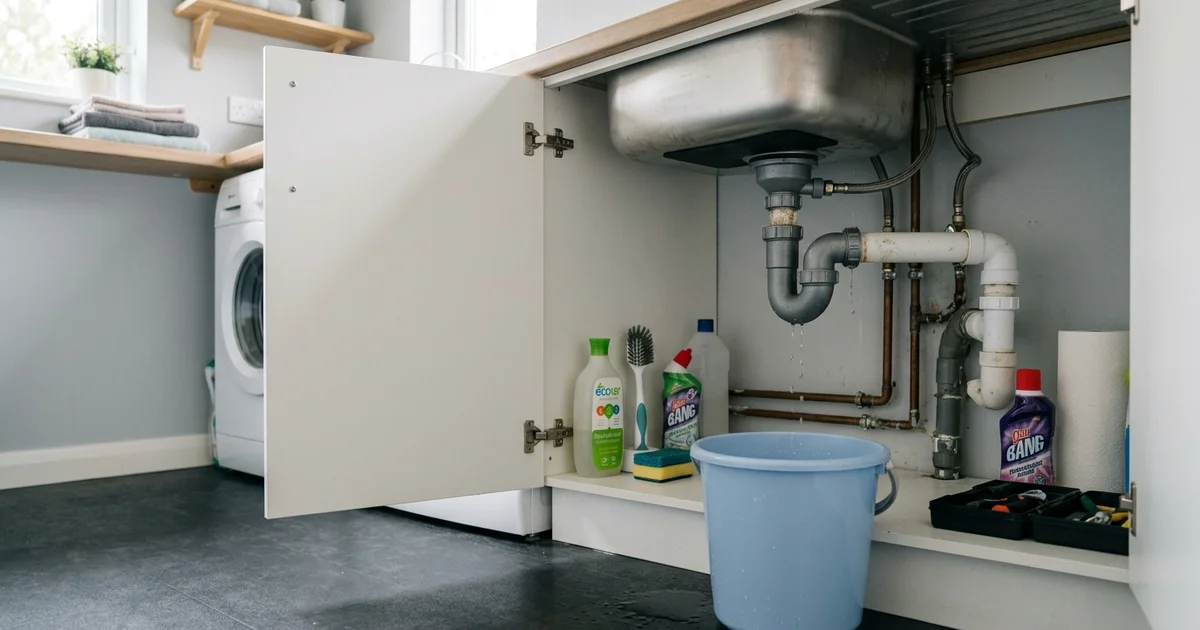
3. Leaks from pipes and fittings: Loose waste connections, failed seals and damaged supply pipes can cause a leak under the sink. Hidden leaks may leave a damp patch, peeling paint or staining. Water dripping through a ceiling may come from a bathroom fitting, heating pipe, storage tank or appliance on the floor above.
4. Supply and pressure problems: Low water pressure can result from a partly closed stopcock, local supply work, a blocked tap aerator or a leak. If there is no running water, the issue may affect the wider area rather than your property alone. During cold Scottish weather, an exposed or poorly insulated pipe can freeze and restrict the supply.
5. Heating and pipework faults: No hot water may involve the boiler, immersion heater, controls or stored hot water system. Banging pipes often occur when flowing water stops suddenly, creating water hammer. Loose pipe clips, high pressure and fast acting valves can make the noise worse.
How to Identify the Problem
1. Check how much of the property is affected: We start by testing the cold kitchen tap because it usually connects directly to the incoming mains. If that tap works but other outlets do not, the fault likely sits within the property. If every tap has stopped, check the stopcock, ask a neighbour and look for a reported supply interruption.
2. Follow the visible evidence: Water directly below a sink usually points to a trap, tap connector, valve or appliance hose. Staining on a ceiling can come from pipework or fittings above, although water sometimes travels along joists before appearing. A musty smell, lifting flooring or a patch that keeps returning can indicate a hidden leak.
3. Listen and observe: A single bang after closing a tap suggests water hammer. Continuous hissing from a toilet can indicate an inlet or flush valve fault. Gurgling drains, slow emptying and bad smells often point to a restricted waste pipe or a dry or poorly sealed trap.
4. Check whether the problem changes: Note whether low pressure affects hot water, cold water or both. Check if a boiler displays a fault code and whether other gas appliances work, but do not remove the boiler casing. For suspected leaks, turn off all taps and appliances, then see whether the water meter continues to register use, if you have access to it.
What You Can Do vs When to Call a Plumber
Safe checks you can make
Know where your internal stopcock sits, usually under the kitchen sink or close to where the mains pipe enters the property. Turn it clockwise to shut off the water if you have an active leak. Do not force a stiff valve.
You can clean a tap aerator, remove accessible hair from a basin or shower waste and use a plunger on a simple blockage. Check visible joints for moisture using dry kitchen roll. If a pipe has frozen, turn off the water and warm it gradually with a towel soaked in warm water. Never use a naked flame or boiling water.
For no water, test the cold kitchen tap, make sure the stopcock is open, check with neighbours and contact Scottish Water if the wider area is affected.
When to call a plumber
Arrange professional help if you cannot control a leak, water continues to enter a ceiling, sewage backs up, a blockage repeatedly returns or a damp patch has no obvious source. You should also call if pressure drops suddenly in one property, pipes keep banging or a frozen pipe has split. In tenements and shared buildings, also call when the problem may involve a neighbour's property or a shared stack, supply or drain.
Leave boiler repairs, gas work, concealed pipe repairs and changes to drainage layouts to a suitably qualified tradesperson. If a ceiling has become heavily waterlogged or is bulging, keep clear of the area, isolate the water where safe and seek prompt help.
How Haggart Can Help
Haggart diagnoses and repairs common domestic plumbing problems, including dripping taps, running toilets, leaks, blocked waste pipes, low pressure and noisy pipework. We trace the source before recommending work, so you receive a repair based on the actual fault rather than guesswork. For the fixes themselves, we also handle tap repairs and toilet repairs as individual jobs.
We can also investigate hot water and heating problems. Where work involves a gas boiler or gas appliance, our Gas Safe Registered engineers complete it safely and correctly. We will explain what we find, discuss the practical options and help you prevent the problem from returning.